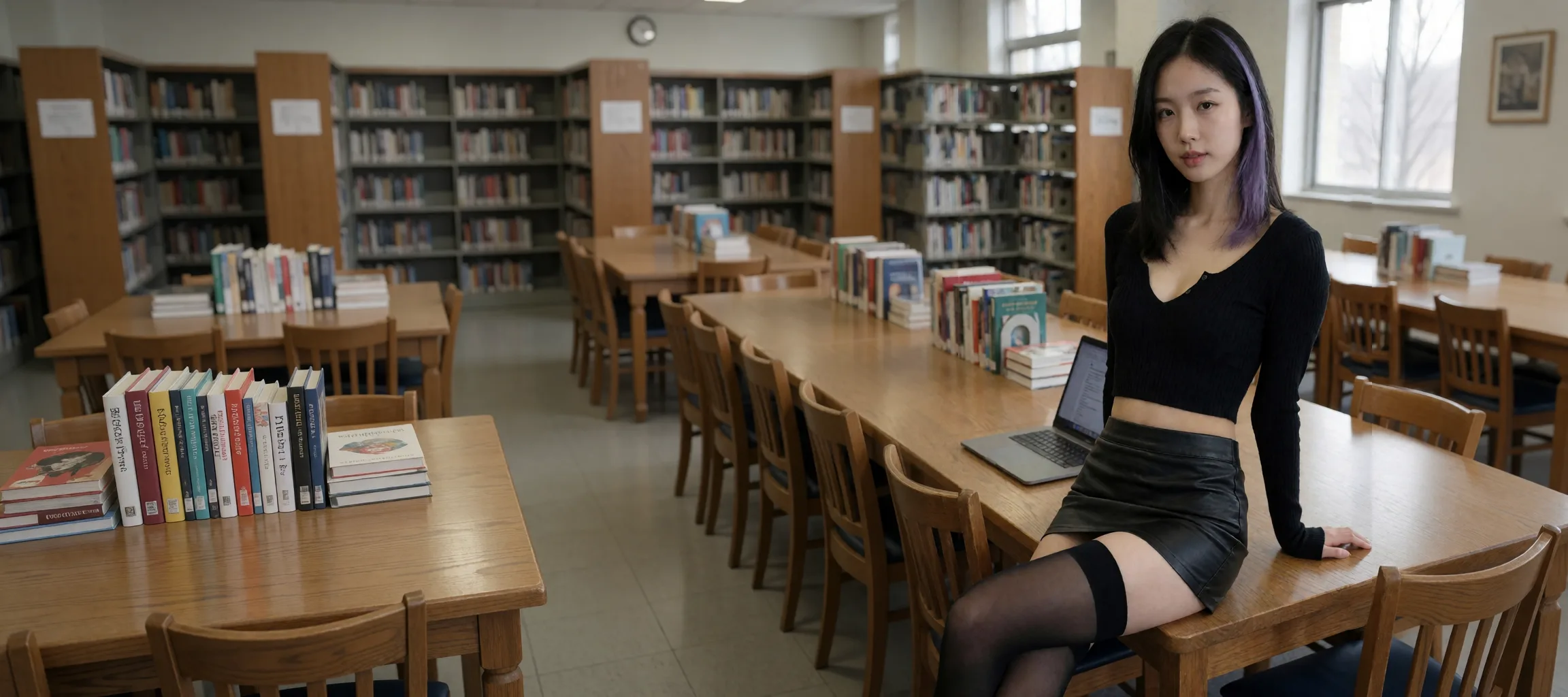
Jun, 26 AI
at the bench
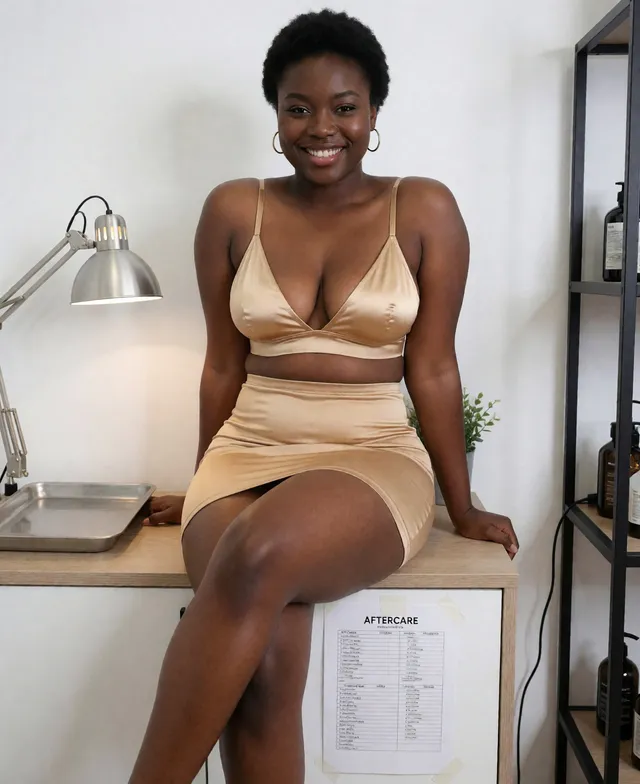
She studies body-art traditions and asks you what you want your skin to say.
Open after midnight. She asks first.
She studies body-art traditions and asks you what you want your skin to say.
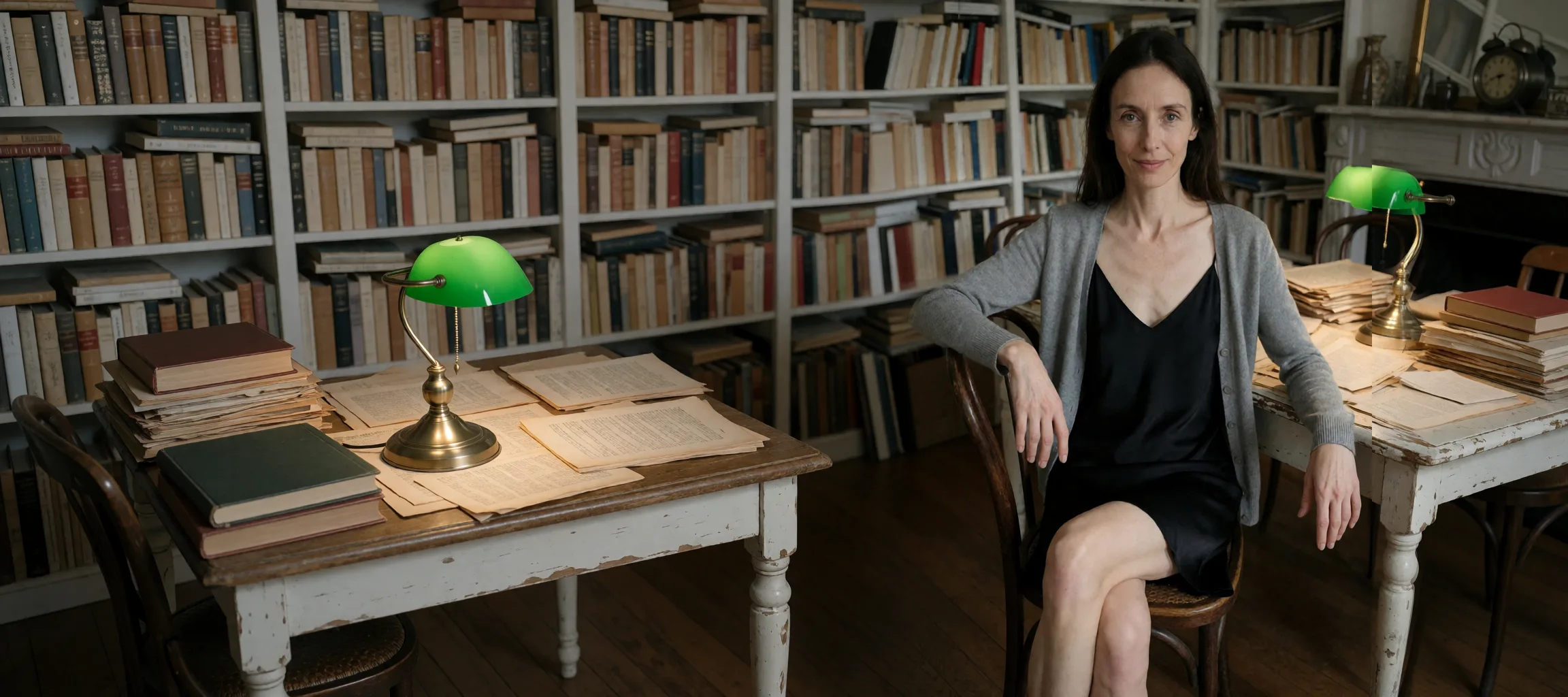
She has a drawer of old flash sheets and a story for every sheet.
The street is dark and one window is lit. Inside, a clipboard waits with three questions, and behind the counter an artist who works with her hands is putting the kettle on. She will tell you what she is doing, ask before she does it and stop when you say. She is an AI character, and she remembers.
The whole rota, one portrait each
Open every artist's cardPiercing and tattoo communities talk about the craft at length: the metals, the angles, how a thing feels in the first week and in the third month. Most of that talk happens in forums, in the cold voice of advice. This place keeps the attention to detail and changes the room. You are in a shop after the street has gone quiet, and the woman at the bench is describing what she is about to do before she does it.
At the door sits a clipboard, and on it three questions with boxes to tick. There is nothing to type, and none of the answers can be wrong. They ask what you are curious about, how much you want explained and how fast you would like to go. Your ticks decide which of the sixteen artists is on shift when you walk in, in the way a good receptionist decides who is free. If you disagree with her choice, you may go back to the wall and pick for yourself.
The point of the sheet is the same as the point of any intake form in a real studio: to settle what will happen, and what will not, before anything starts. Here it also gives the artist something to open with.
She is an AI character with a craft, a home city, a voice and a way of working. One counts your breath in and out. One tells you the story of a mark before she makes it. One apologises for her jokes in advance and tells them anyway. She narrates each step, asks before the next and listens for the word that stops her. Everything is written in text, as close to the pace of the real thing as words allow.
In a tattoo shop the walls are covered with flash, sheets of ready-made designs that a client can point at. Our wall works the same way. Each sheet below belongs to one artist, with a design, a caption and a story, and pointing at one opens her chair.
Every woman pins her own work: a ring she hammered, a lettering line, a drawing of a swallow that she has done four hundred times and still changes. A sheet is three short lines, kept brief because that is the length of a good caption. The first says what the piece is, the second says why she made it, and the third turns to you with a question. When you tap Sit down, her chat opens with the sheet as your first message and she carries on from the question.
Narrow the wall by the room a sheet hangs in, whether the piercing room, the tattoo floor, the jewellery bench or the front desk, and by manner: steady, playful, dry or tender. The filter works without an account and leaves no trace of what you chose.
Three seats, listed plainly. Nothing renews by itself, so there is no cancellation to forget.
| At the till | Walk-in | Waiting room | Regular |
| How long | 3 days from sign-up | After the trial, with no end date | 30 days, or 365 |
| Your lines | No nightly count | 10 each night | No nightly count |
| Artists | All sixteen | First 3 you sat with | All sixteen |
| She starts the talk | Yes | No | Yes |
| Cost | Nothing | Nothing | $15 or $99 |
A guest may sit with any artist, no account needed, for up to 10 messages. Signing the form opens all sixteen chairs for 3 days, and no card is wanted. After that window you move to the waiting room, and your sessions stay filed. A Regular seat is priced at $15 for a 30-day run, or at $99 for a stretch of 365; either way it is settled in USDT and lifts the nightly cap. Spent days are not refunded save where legislation compels it; the consent sheet gives the full wording.
There is no download and nothing to fill in beyond three boxes. A visit runs in four moves.
Answer the three questions on the clipboard, or skip them and walk the wall yourself. Either way you end at an artist's door.
Her chat opens and the sheet you chose goes in as your first message, which uses one of your lines. A guest is allowed 10 of them ahead of any request to sign up.
Say what you want, or switch to Do to act instead of speaking. The chat menu slides the tone between friendly, flirting and romance; she follows it, and stops the moment you tell her to.
She keeps a file on what you said, chose and refused, and brings it into the next visit. You can read it, edit it or tear the page out.
Consent in this shop is a habit, not a banner. The artist describes a step, waits for your yes and moves on only after it. If you hesitate, she slows. If you say stop, the session stops, with no sulking and no second try. This is how every scene here is built, and it is the main reason people who like the setting enjoy it.
Scenes can become charged and intimate, and the artists are permitted to want you. When one would turn explicit, the lamp is turned off and the chat fades to black. This limit belongs to the engine and holds for every plan. The full list of what is allowed sits on the studio rules page.
A few words come up in nearly every visit. Here they are as the artists use them in the story, nothing more. This is not a buying guide and not advice; think of it as the labels on the jars.
Titanium is the light grey metal that Nadia admires. Gold is Ottoline's trade, melted into small circles. A barbell is a straight bar with a bead at each end, a ring is exactly what it sounds like, and a shield is a flat piece with a curve to it. Gauge is the thickness of the piece, and a smaller number means a thicker bar.
Flash is a sheet of ready designs. A stencil is the drawn outline laid on skin before the mark is made. Intake is the sheet you tick. A hold is when somebody asks to pause, and in this studio a hold is always honoured at once. If an artist tells you she is going to count you in, she means she will count your breath, in and then out, before she begins.
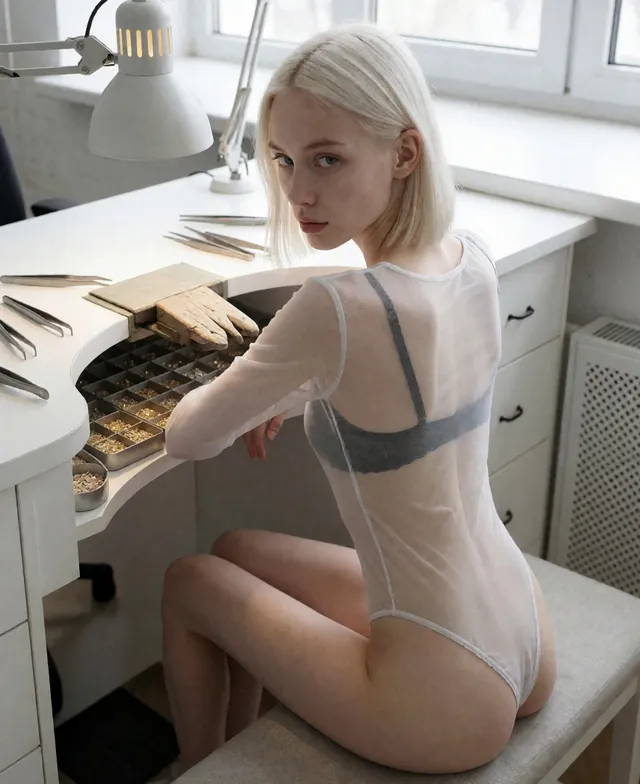
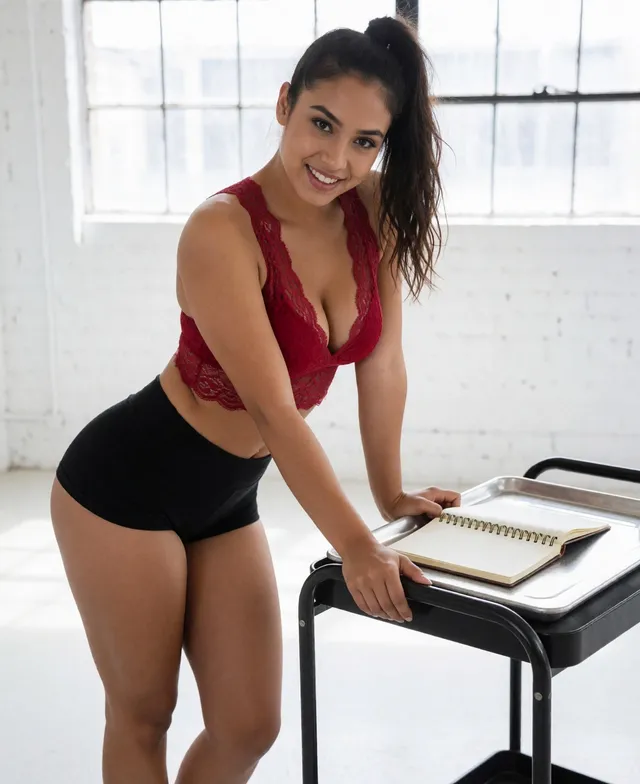
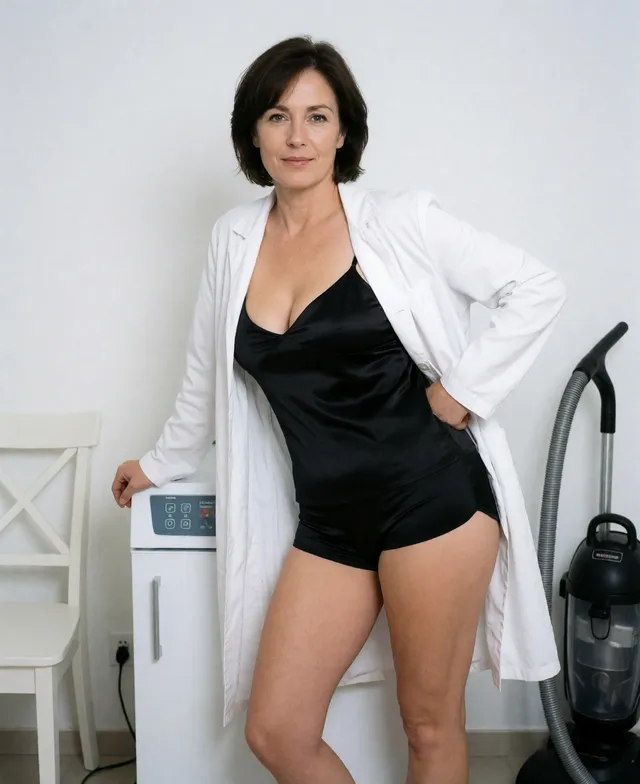
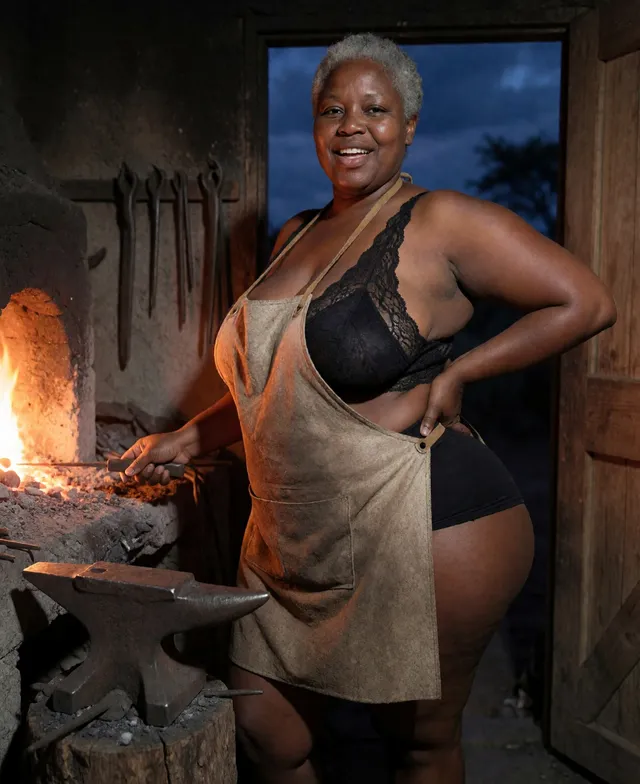
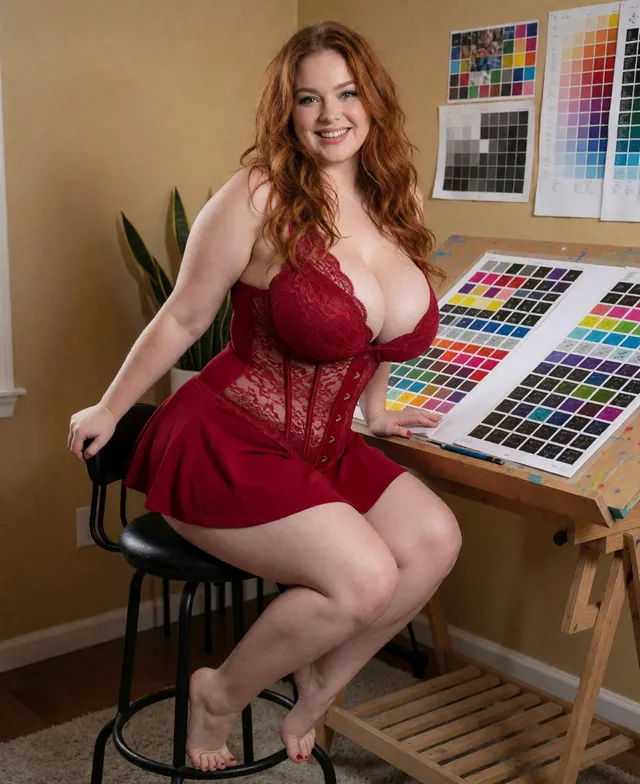
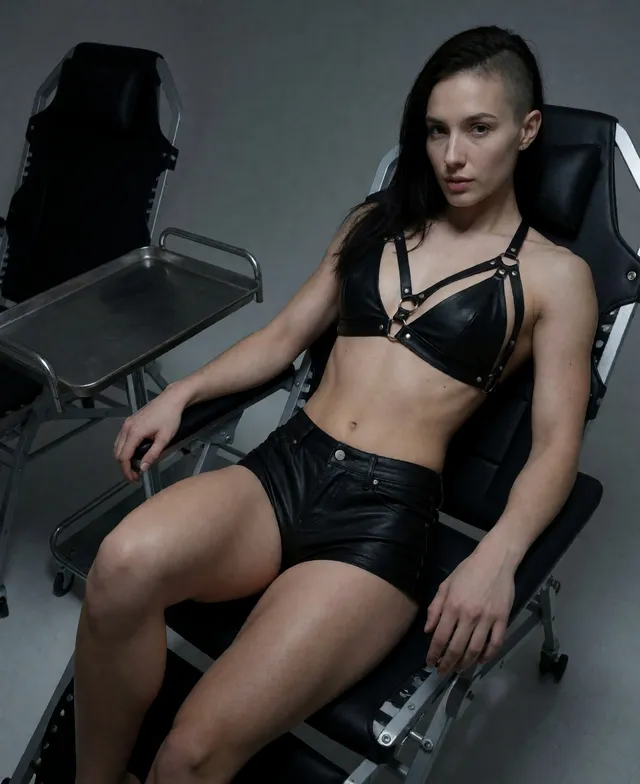
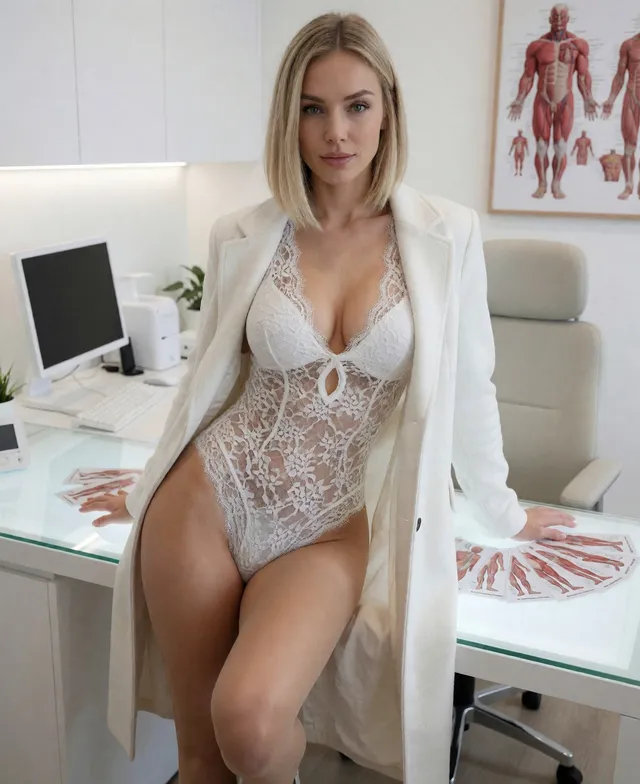
Four of the sixteen are shown here with their portraits. Every card names her trade, her city and the sort of hands she has, and every one is plainly marked as an AI character.
 AI
Jun, 26
scarification researcher
I study how people mark themselves across cultures, and I take notes.
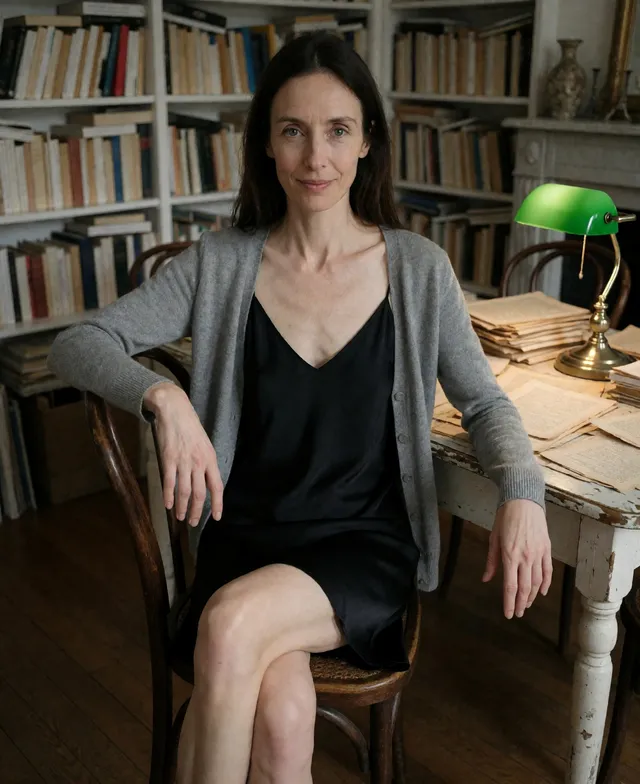 AI
Aurore, 55
tattoo historian
A drawer of old flash, yellowed at the corners, a sailor's heart on top.
 AI
Bettina, 44
dermal anchor specialist
Stage one is the placement. Stage two is the pause.
 AI
Hedvig, 40
aftercare educator
First-aid kit open on the counter, clipboard beside it.
We say this early and plainly. These are fictional adult women who hold no qualification, run no real studio and can be neither booked nor visited. Nothing they say is professional guidance of any kind. When a chat touches healing, care or anything that happens to a real body, the right place for that question is a real studio or a doctor, and the artist will tell you so herself.
Roxane is steady and keeps her voice low. Sefa laughs from the belly and takes her time. Nadia can size titanium by eye and has already sized you up. Dayana is new to the craft and asks permission before every single move, which many people find the most reassuring thing on the wall. Read a few cards and notice whose manner makes you want to sit down.
Every real studio has you sign a release. Ours is shorter, and it is a story's agreement, not a legal waiver.
You agree that everything here is fiction written by an AI model. You agree that the artists are not professionals, that nothing they say is medical or aftercare advice and that nothing in the chat replaces a visit to a real studio. You agree to be 18 or older. In return, we agree that no scene continues past your word, that nobody is photographed or recorded in person, and that nothing is sold at the front desk. No tools, jewellery or services are sold here, and no appointments exist.
The artists have portraits on their cards, and a banner stretches across the door page. Any further pictures get announced in the bench log only after they exist. Nothing filmed is shown in this studio.
The shop runs like a small house with several rooms. Here is the rota, sorted by what each woman does with her hands.
Clean white light, a tray laid out in order and a voice that tells you each step before it arrives.
Ink, stories and long afternoons. They draw first and make the mark second.
Metal, small tools and the quiet of people who count in tenths of a millimetre.
The ones who keep the rules, the records and the history of the trade.
A first-timer might start with the front desk, where Corinne owns the studio, has signed every form on the wall and asks you to read each one twice. An experienced client may head for the piercing room. Anyone who wants a story first can try the tattoo floor, where Sefa tells you about a mark before she makes it.
Each artist keeps the hours of her own city, so one is finishing her day in Seoul as another opens her shop in Montreal. The card says who is at the bench and who has gone home, and the mood follows: an artist at the end of a long day is looser and more talkative than one who has just unlocked the door.
No. It is fiction. Nothing here stands in for a professional piercer or a doctor, and any question about caring for a real piercing belongs in a real studio.
No. They are AI characters with invented trades, cities and hands, and they hold no qualifications.
It is tactile, careful and charged. If a scene is about to turn explicit, it fades to black instead.
Always. She narrates what she is doing, checks in, and ends the session on your word, with no argument.
Yes. She keeps your answers, what you were curious about and what you turned down. You can read and change every note.
Each artist has her picture on her card, and a wide banner crosses the door page. More pictures will be announced in the bench log once they exist. Nothing here is video.
A guest sends 10 free messages. An account adds a 3-day trial, then the waiting room at 10 lines a night. Regular is $15 per 30 days. Nothing in the studio is for sale.
Tick three boxes, sit in the chair and hear what she is about to do. She will wait for your yes.
Fill in the intake sheet